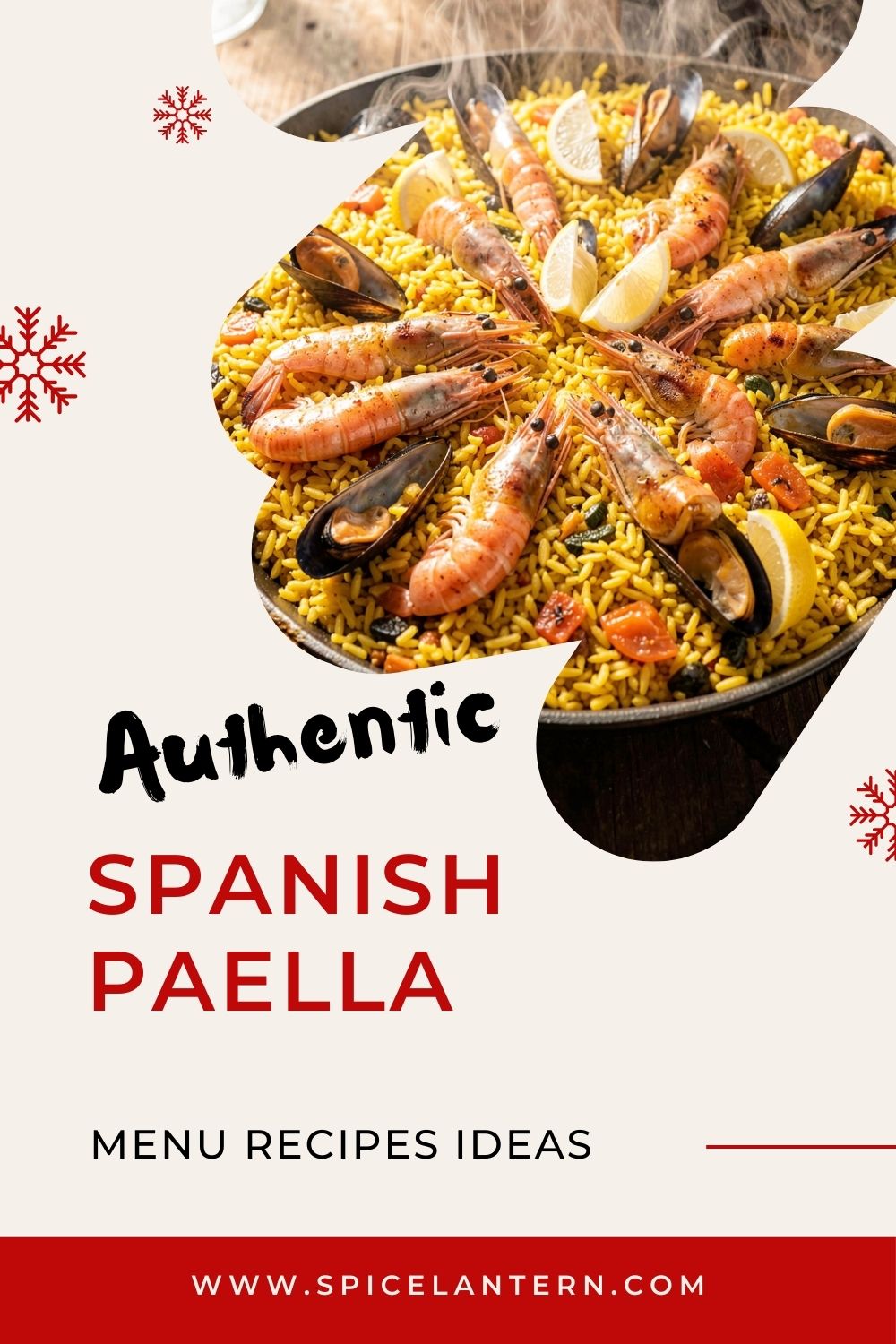
The Allure of Authentic Seafood Paella: A Culinary Journey
Imagine the warm sun on your face, the gentle scent of the sea carried on a Mediterranean breeze, and a vibrant, aromatic dish laid before you. This isn't just a daydream; it's the experience that authentic seafood paella brings right into your home kitchen. Far more than just a meal, paella is a celebration of Spanish tradition, a symphony of flavors, colors, and coastal charm that transforms any ordinary evening into a special occasion.
At its heart, classic seafood paella weaves together tender, succulent shrimp, plump mussels, and delicate calamari with perfectly cooked, saffron-infused golden rice and a medley of garden-fresh vegetables. All these exquisite ingredients unite in a single, stunning pan, creating a dish that looks every bit as impressive as something from a high-end Spanish restaurant, yet is surprisingly accessible for the home cook.
A Taste of History: From Valencia's Fields to Coastal Delights
The roots of paella stretch deep into the sun-soaked fields of Valencia, Spain, where it originated as a rustic, hearty lunch for farmers cooked over open fires. The earliest versions, known as traditional Valencian paella, embraced local land ingredients like rabbit, chicken, and even snails. It was a dish born of necessity and ingenuity, utilizing whatever was readily available.
However, as the culinary tradition spread towards the coast, a magical transformation occurred. Here, where the sea offered an abundant bounty, a new variant emerged: paella de mariscos – what we now universally adore as classic seafood paella. Bursting with the fresh, briny flavors of the ocean, this coastal interpretation swiftly captured hearts and palates, becoming one of the most celebrated and beloved versions of paella worldwide. It’s this perfect harmony of land and sea that makes Spanish seafood paella truly exceptional.
Demystifying Restaurant-Quality Seafood Paella at Home
Perhaps you've always dreamt of mastering paella but felt it was an intimidating, chef-level endeavor. We're here to tell you that achieving that restaurant-quality seafood paella is absolutely within your reach. Our goal is to break down the process into easy, manageable steps, allowing you to confidently create a dish that's every bit as unforgettable as a seaside Spanish getaway.
What truly elevates seafood paella from a simple rice dish to a culinary masterpiece is that perfect harmony: the tender seafood, the fragrant, subtly sweet saffron rice, and the vibrant vegetables, all served in a single, communal dish. It's a feast for the eyes as much as it is for the palate, promising a taste of the Mediterranean with every single bite.
The Art of Layering Flavors
The secret to an extraordinary homemade seafood paella lies in building layers of deep, complex flavors. This journey begins with a robust sofrito base – a slow-cooked blend of finely diced onions, garlic, and peppers, often enhanced with ripe tomatoes. From this foundation, smoky paprika adds warmth, delicate saffron infuses its signature golden hue and subtle floral notes, and the natural sweetness of fresh shrimp, mussels, and calamari contributes an unmistakable taste of the sea. Each element plays a crucial role in delivering that warm, comforting, and profoundly satisfying taste of Spain.
The Pillars of Perfection: Essential Ingredients for Your Seafood Paella
To truly master authentic seafood paella, selecting the right ingredients is paramount. Each component plays a vital role in creating the dish's distinctive flavors and textures.
- The Rice: Bomba is Best: Forget your regular long-grain or risotto rice. For a true Spanish seafood paella, Bomba rice is king. This short-grain rice, native to Spain, is known for its incredible ability to absorb liquid without becoming mushy. This characteristic is crucial for achieving the perfect texture and allowing the rice to soak up all those glorious flavors. If Bomba is unavailable, a high-quality Calasparra rice is a good alternative.
- The Saffron: The Golden Touch: Saffron threads are non-negotiable. This precious spice provides the iconic golden color and a unique, delicate floral aroma that defines paella. Always opt for good quality, genuine saffron threads, not powdered saffron which can lack depth and authenticity. Bloom your saffron in a little warm broth before adding it to maximize its flavor and color.
- The Seafood: Freshness is Key: For the best seafood paella, choose the freshest possible ingredients.
- Shrimp: Opt for large, shell-on shrimp or prawns. Cooking them with shells on adds a significant depth of flavor to your broth and sofrito. You can peel them after cooking if preferred, or serve them shell-on for a rustic touch.
- Mussels: Look for mussels with tightly closed shells. Discard any that are open and don't close when tapped. Thoroughly clean and debeard them before cooking.
- Calamari: Fresh calamari, cut into rings, adds a wonderful texture and mild, sweet flavor.
- Optional Additions: Feel free to include other favorites like scallops, chunks of firm white fish, or even lobster tails for an extra luxurious touch.
- The Broth: The Flavor Foundation: A high-quality fish or seafood broth is absolutely essential. Avoid plain water if possible. Making your own broth from shrimp shells and fish scraps will impart incredible depth, but a good store-bought low-sodium seafood broth can work in a pinch. The broth is where much of the paella’s overall flavor comes from, so don't skimp on quality here.
- The Vegetables: Bell peppers (red, green, or yellow), fresh tomatoes (or crushed tomatoes), and peas add color, texture, and sweetness. Green beans are also a traditional addition.
- The Aromatics & Spices: Garlic, onions, and good quality sweet or smoked paprika are critical for the sofrito. A touch of fresh parsley for garnish at the end brightens the dish.
Crafting Your Masterpiece: Key Techniques for Unforgettable Paella
The beauty of making authentic seafood paella lies in understanding a few fundamental techniques that elevate it from good to truly exceptional.
The Sofrito: Building the Flavor Base
Every great paella starts with a meticulously prepared sofrito. This slow-cooked mixture of finely chopped onions, garlic, and bell peppers, often with grated tomatoes, is sautéed until deeply caramelized and fragrant. This process unlocks incredible sweetness and depth, forming the aromatic foundation upon which all other flavors will be built. Don't rush this step; patience here pays off immensely.
Browning the Seafood: Enhancing Flavor and Texture
Before adding the rice, quickly sear your shrimp and calamari in the paella pan. This rapid browning creates a delicious crust and concentrates their natural flavors, setting them aside before the rice goes in helps prevent overcooking, ensuring they remain tender and succulent.
The Liquid Ratio and the Golden Rule: No Stirring!
Once the rice is added to the sofrito and toasted lightly, the hot broth infused with saffron is poured in. The critical next step, and perhaps the most important rule of paella, is this: do not stir the rice once the liquid is added! Stirring releases starches, which would result in a creamy, risotto-like texture – the opposite of what you want for paella. The rice needs to cook undisturbed, allowing the grains to absorb the liquid evenly and create the coveted socarrat.
Achieving the Socarrat: The Crispy Bottom Layer
The socarrat is the holy grail of paella – a wonderfully crispy, caramelized layer of rice that forms at the very bottom of the pan. It's born from the undisturbed cooking of the rice, slowly caramelizing against the hot metal. Towards the end of the cooking process, if you listen closely, you'll hear a gentle crackling sound, indicating the socarrat is forming. A slight increase in heat for the last few minutes can help, but be careful not to burn it. This textural contrast, from soft, fluffy rice to crunchy, flavorful crust, is a hallmark of authentic paella and highly prized.
The Resting Period: A Moment of Perfection
Once the liquid is absorbed and the rice is cooked, remove the paella from the heat, cover it with foil or a clean kitchen towel, and let it rest for 5-10 minutes. This crucial resting period allows the flavors to meld, the rice to finish cooking with residual heat, and any remaining moisture to be evenly distributed, resulting in perfectly tender grains.
Beyond the Pan: Serving and Savoring Your Spanish Creation
The moment your seafood paella emerges, golden and glistening, from the kitchen, it becomes an instant centerpiece. Garnish generously with fresh parsley and lemon wedges, which offer a bright counterpoint to the rich flavors. Paella is inherently a communal dish, meant to be shared directly from the pan. Provide small plates and encourage everyone to dig in, savoring each bite of this magnificent Spanish seafood paella.
Pair your culinary creation with a crisp, dry Spanish white wine like Albariño or Verdejo, or a light-bodied rosé. A simple green salad with a vinaigrette dressing provides a refreshing contrast, and some crusty bread is perfect for soaking up any remaining juices (though traditionally, not used to eat paella).
Mastering restaurant-quality seafood paella at home is a truly rewarding experience. With the right ingredients, a touch of patience, and our trusted techniques, you’ll create a dish that not only looks spectacular but tastes profoundly delicious, transporting you and your guests to the sun-drenched coasts of Spain. So gather your ingredients, fire up your paella pan, and prepare to cook something truly unforgettable. Your journey to homemade Spanish culinary excellence starts now!
