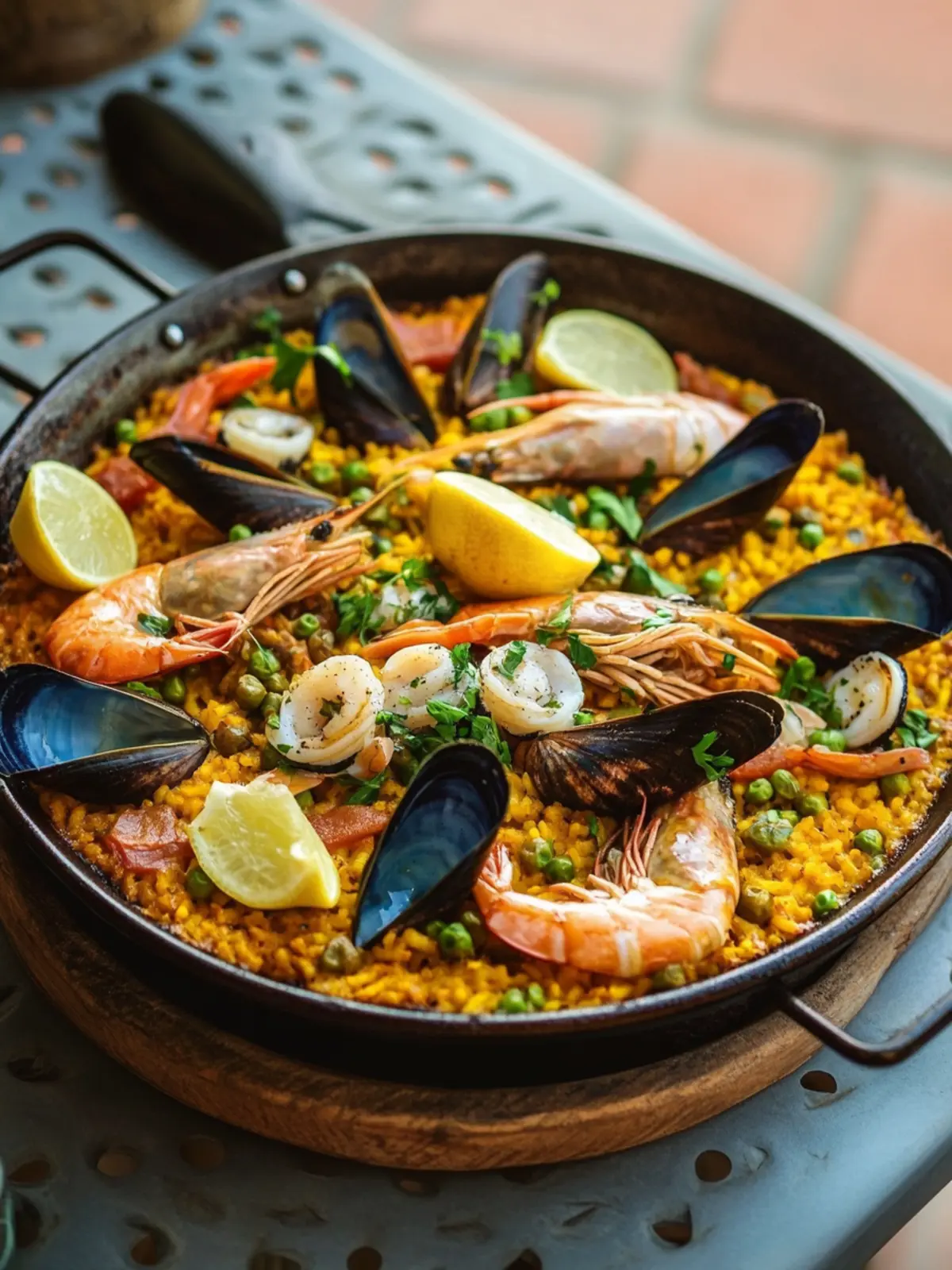
Unlock Authentic Seafood Paella: Easy Steps for Home Cooks
Imagine a culinary journey to the sun-drenched coasts of Spain, right from your own kitchen. That's the magic of unlocking authentic seafood paella. More than just a meal, this iconic Spanish dish is a vibrant celebration of tradition, bursting with color, aroma, and the exquisite flavors of the Mediterranean sea. If you’ve ever dreamt of recreating that restaurant-quality experience at home but felt daunted, fear not! We’re about to break down the art of making a stunning seafood paella into simple, achievable steps, empowering even the most novice home cook to master this gorgeous dish with confidence.
From the tender, succulent shrimp and mussels to the golden, saffron-infused rice and garden-fresh vegetables, every element of an authentic seafood paella comes together in one magnificent pan. It transforms an ordinary evening into a special occasion, perfect for gathering loved ones or simply indulging in a cozy dinner for two. Get ready to impress your family and friends with a dish that tastes every bit as unforgettable as a seaside Spanish getaway.
The Rich History Behind Every Delicious Bite of Seafood Paella
To truly appreciate authentic seafood paella, it helps to understand its fascinating origins. The story begins not with the sea, but in the sun-soaked fields of Valencia, Spain, where paella was first conceived as a rustic, hearty lunch for farmers. Cooked over an open fire, the earliest versions, known as traditional Valencian paella, primarily featured local land-based ingredients like rabbit, chicken, and sometimes snails, reflecting the bounty of the region.
However, as the dish traveled closer to Valencia's picturesque coastline, a delicious evolution took place. Here, where the Mediterranean Sea offered its freshest treasures, a new variation emerged: paella de mariscos – the classic seafood paella we cherish today. This coastal twist, brimming with ocean flavors, quickly soared in popularity, becoming one of the most celebrated and globally recognized versions of paella. It embodies that perfect harmony of delicate seafood, aromatic saffron rice, and vibrant vegetables, all served in a single, visually stunning dish that tells a story of Spanish ingenuity and coastal charm. To dive deeper into this culinary evolution, explore Taste Spain: Classic Seafood Paella's Journey from Valencia.
Essential Ingredients for Authentic Seafood Paella
The secret to a truly amazing seafood paella lies in selecting the right ingredients. Each component plays a vital role in building the dish's unique depth of flavor and signature texture. Here’s what you’ll need to create a truly authentic experience:
- The Right Rice: This is non-negotiable. Opt for Spanish short-grain rice like Bomba or Calasparra. These varieties are exceptional because they absorb a tremendous amount of liquid and flavor without becoming sticky or mushy, ensuring each grain remains distinct and perfectly cooked.
- Quality Seafood: Freshness is paramount! A typical seafood paella includes a combination of:
- Shrimp: Medium to large, peeled and deveined (tails on for presentation).
- Mussels: Freshly scrubbed and de-bearded.
- Calamari: Cleaned and cut into rings or bite-sized pieces.
- Optional additions: Clams, scallops, firm white fish (like monkfish or cod), or even lobster tails can elevate your paella further.
- Aromatic Saffron Threads: This prized spice is what gives paella its signature golden hue and subtle, floral aroma. Don't skimp on quality here; a pinch of good saffron makes all the difference. Toasting it lightly before infusing in warm broth enhances its flavor.
- Smoky Paprika: Spanish pimentón, especially sweet or bittersweet (dulce or agridulce), adds a crucial layer of smoky depth that defines much of Spanish cuisine. Avoid plain paprika; look for the smoked variety.
- Flavorful Sofrito Base: This is the soul of your paella. A sofrito typically involves slowly cooked onions, garlic, bell peppers (red and green), and ripe tomatoes. It builds a rich foundation of flavor before the rice is added.
- Excellent Broth: A high-quality seafood or fish broth is absolutely essential. It imbues the rice with deep, oceanic flavors. Homemade broth is always best, but a good store-bought alternative can work in a pinch.
- Vibrant Vegetables: Beyond the sofrito, fresh ingredients like green beans or peas add color, texture, and natural sweetness.
Mastering Seafood Paella: Your Step-by-Step Guide
Ready to transform these ingredients into a masterpiece? Here's how to build your authentic seafood paella, layer by flavorful layer:
1. Prepare Your Mise en Place
Before you even turn on the stove, ensure all your ingredients are prepped, chopped, and measured. This makes the cooking process smooth and enjoyable, as paella requires a certain flow once it starts. Clean your seafood, chop vegetables, measure out rice and broth, and have your spices ready.
2. Build the Sofrito – The Soul of Your Paella
In a wide, shallow paella pan (or a large skillet), heat olive oil over medium heat. Add chopped onions and bell peppers, cooking until softened. Stir in minced garlic, then add grated or finely diced tomatoes. Cook this mixture down slowly, stirring occasionally, until it forms a thick, rich paste – this is your sofrito. It's crucial for depth of flavor.
Tip: Don't rush the sofrito. Slow cooking extracts maximum sweetness and complexity from the vegetables.
3. Infuse with Spices and Sear Seafood
Push the sofrito to one side of the pan. Add your calamari and sauté briefly until just opaque, then set aside. Next, add the smoked paprika and a pinch of saffron (lightly toasted and crushed). Stir the spices into the sofrito for about a minute until fragrant. This step awakens their flavors.
Now, briefly sear your shrimp (if using) in the pan until they just turn pink, about 1-2 minutes per side. Remove them from the pan and set aside. They will finish cooking later to prevent overcooking and rubberiness.
4. Incorporate the Rice and Broth
Add the Spanish short-grain rice to the pan and stir it well, ensuring each grain is coated in the flavorful sofrito and spices. Toast the rice for a minute or two, without browning it. This helps the grains maintain their structure.
Pour in your hot seafood broth. It's important for the broth to be hot to maintain the cooking temperature of the paella. Stir gently once to distribute the rice evenly, then resist the urge to stir again! Excessive stirring releases starch, which can make your paella gummy, not fluffy. Add green beans or peas at this stage.
5. The Crucial Simmer and Seafood Addition
Bring the paella to a boil, then reduce the heat to a steady simmer. Let it cook undisturbed for about 15-20 minutes, or until most of the liquid has been absorbed and the rice is almost cooked. During the last 5-7 minutes of cooking, gently nestle the seared shrimp and fresh mussels (and any other quick-cooking seafood like clams) into the rice. Cover the paella loosely with foil to help the mussels steam open.
6. Achieve the Coveted Socarrat
The socarrat is the crispy, toasted layer of rice that forms at the bottom of the paella pan – it's considered the ultimate mark of an authentic, well-made paella. To achieve this, once most of the liquid is absorbed and the rice is nearly tender, increase the heat slightly for the last 2-3 minutes. Listen for a gentle crackling sound, and you’ll know the socarrat is forming. Be careful not to burn it! You can also carefully use a spatula to peek at the bottom.
Serving and Enjoying Your Homemade Paella
Once the rice is cooked, the mussels have opened, and you’ve achieved your socarrat, remove the paella from the heat. Cover it loosely with foil or a clean kitchen towel and let it rest for 5-10 minutes. This allows the flavors to meld and the rice to finish cooking evenly.
Garnish with fresh lemon wedges and chopped fresh parsley. Serve your magnificent seafood paella directly from the pan, traditionally placed in the center of the table for everyone to share. The act of sharing from one communal dish is as much a part of the experience as the incredible flavors themselves.
Conclusion
Creating an authentic seafood paella at home is more than just following a recipe; it's an immersive culinary experience that transports you to the heart of Spain. By understanding its history, selecting quality ingredients, and following these simple, yet crucial, steps, you can confidently unlock the magic of this beloved dish. Each golden grain of rice, infused with saffron and the essence of the sea, every tender piece of seafood, and the irresistible crunch of the socarrat will tell a story of your own journey into Spanish cuisine. So, gather your ingredients, put on some Spanish music, and get ready to create an unforgettable meal that will delight your senses and impress your guests. ¡Buen provecho!
